
Visual Correction Through Colour
We explore how colour affects the visual perception of the figure, its impact on volume and proportion — and the role of print in redirecting attention.
Light shades and bold prints visually bring a surface forward and enhance the sense of volume.
Dark shades and smooth textures create an optical slimming effect, visually streamlining the silhouette.
For example, a white square on a black background appears larger than a black square of the same size on a white background. A light shape against a dark background is perceived as more substantial.
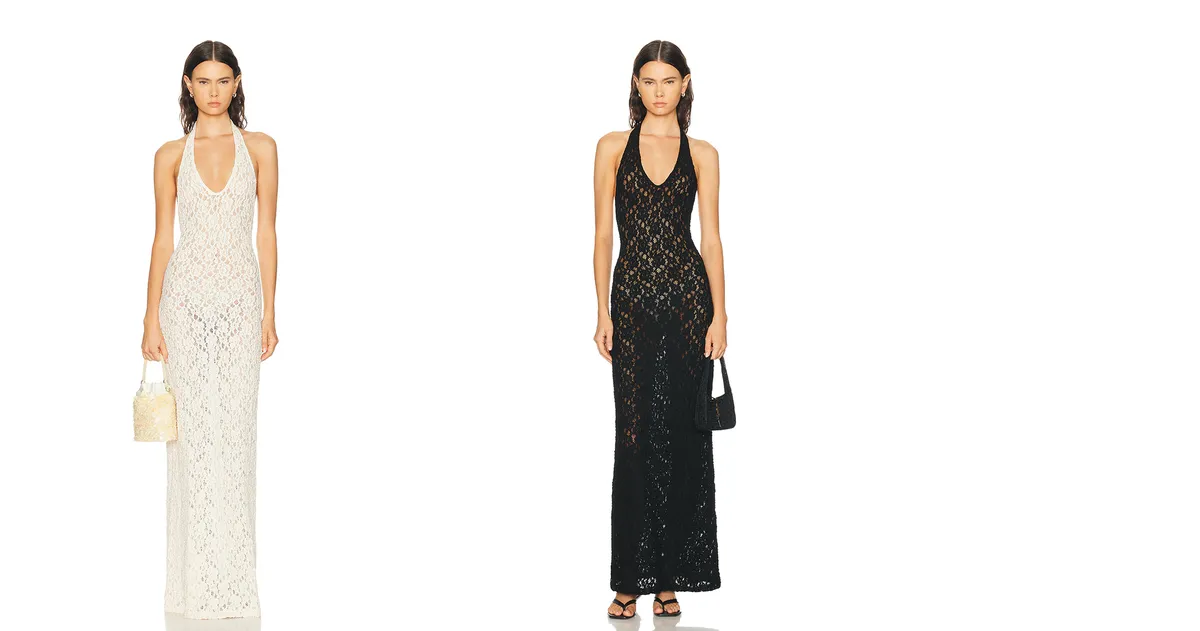
The same principle applies to clothing. Light colours visually widen and enlarge the area they occupy, while dark shades reduce it, making the silhouette appear more compact.
If the goal is to slim the silhouette visually, darker shades and monochromatic outfits are the way to go. This applies to footwear as well: light-coloured shoes visually add volume to the foot, whereas darker ones make it far less noticeable.
Colour contrast also affects how tall and slender a person appears. A sharp horizontal division of the silhouette into two different colours can make the figure look shorter by emphasising the break between zones. A vertical colour division, on the other hand, draws the eye upward and elongates the silhouette.
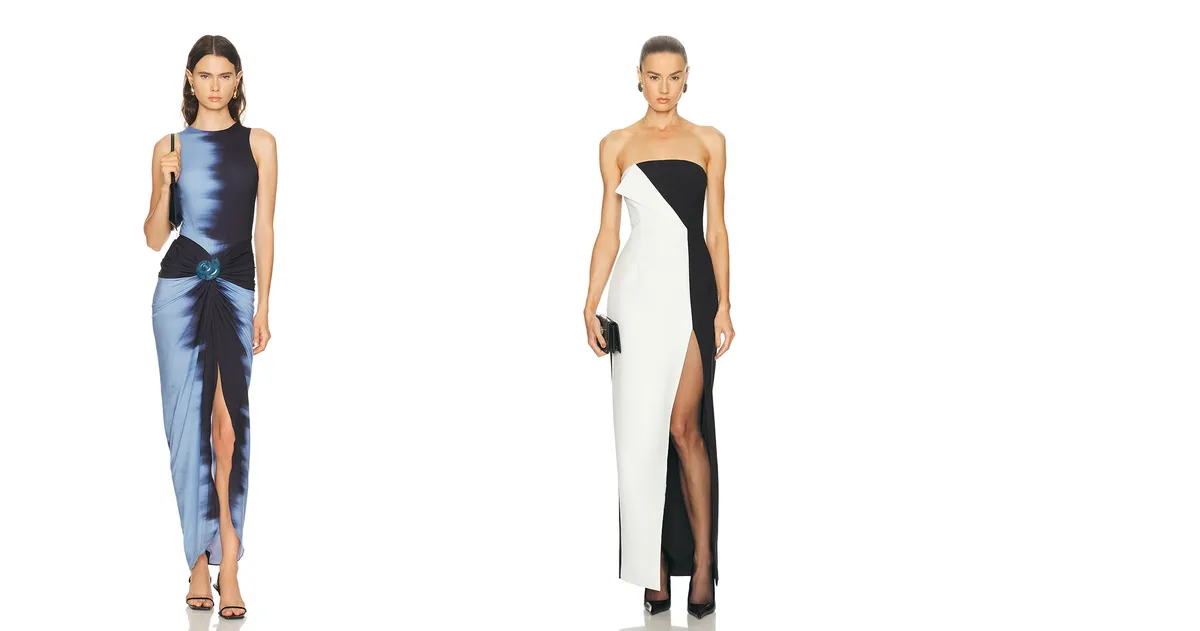
▶ For instance, a dress split vertically into two contrasting colours can visually add height and create a slimming effect.
When working with contrast, balance is everything. Too many competing zones or overly abrupt transitions can disrupt the overall harmony and make an outfit feel cluttered.
How a print affects the perception of volume depends not just on its presence, but on how its scale and density change across the garment.
A gradual increase or decrease in pattern size creates a sense of depth and allows you to manage the proportions of the silhouette. If a print around the hips is smaller in scale and gradually grows larger towards the hem, the hip area will appear visually narrower.
Similarly, a large check or bold pattern across the chest that gradually reduces towards the waist draws attention upward and makes the waist look slimmer.
A large-scale print always amplifies the sense of volume. The bigger the pattern and the higher the contrast, the more that area draws the eye and appears more substantial.
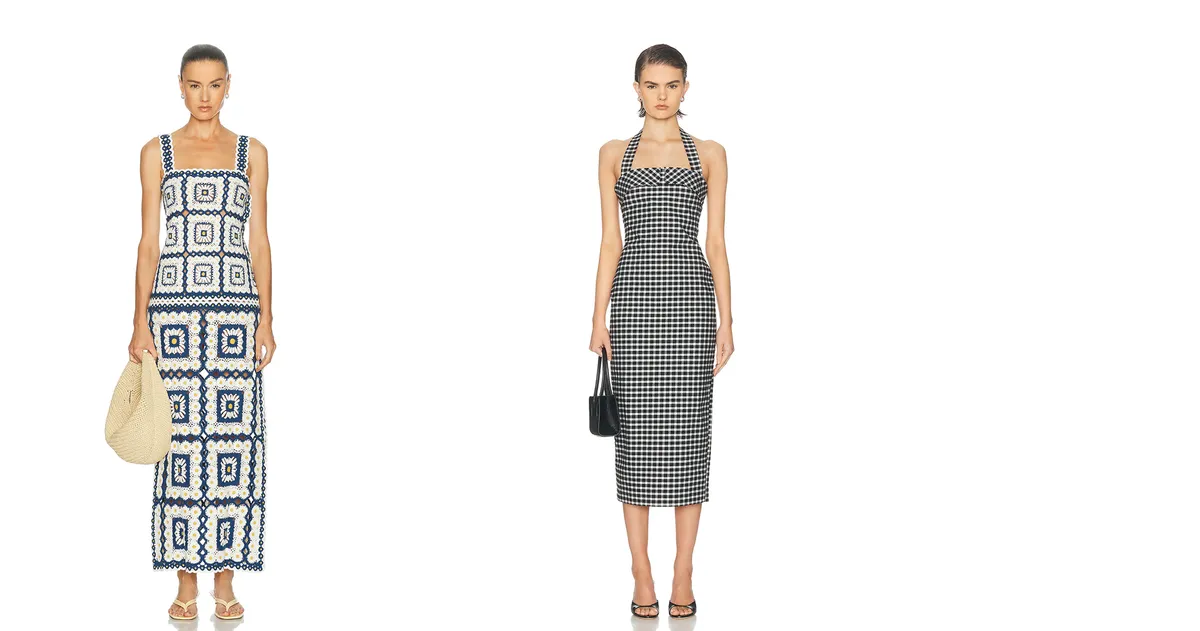
If you'd rather not draw attention to a particular area, opt for a smaller, lower-contrast pattern there. A bolder print placed above or below will gently guide the eye in the right direction.
It's also worth noting the effect of colour gradation. A transition from dark to light moving vertically can elongate the silhouette, creating a sense of movement and depth. Gradient fabrics and smooth shade transitions allow you to build a more dynamic, flowing composition.
The Filled-Space Principle
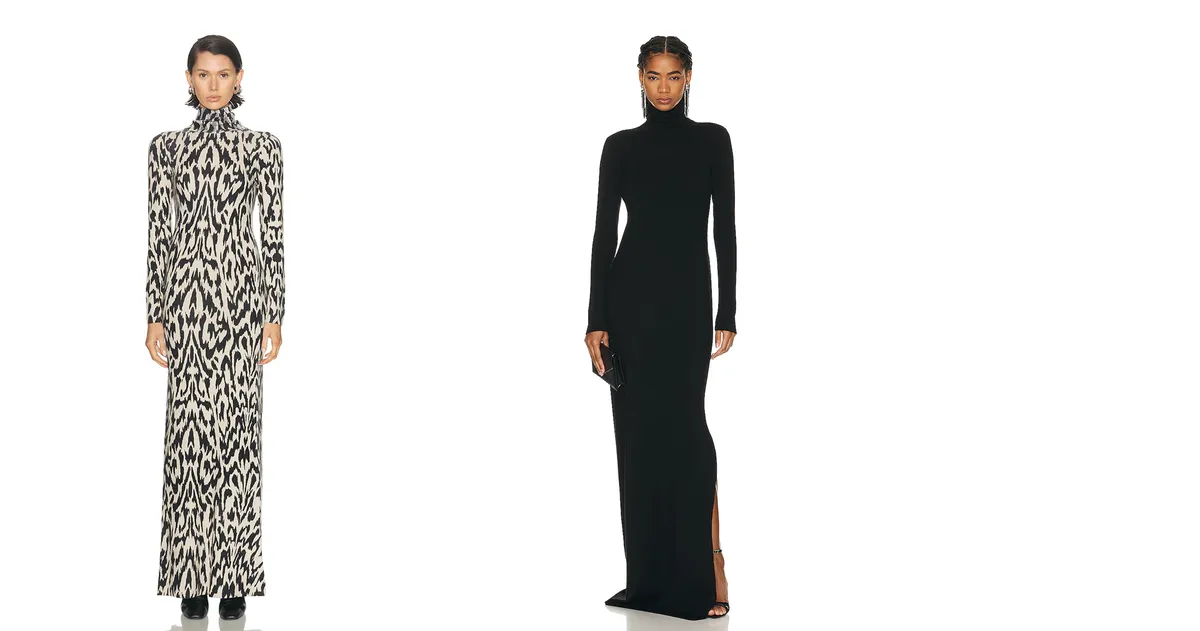
Clothing with a busy pattern, decorative detail, or pronounced texture looks more voluminous than a plain, quiet surface. This is because the eye reads a filled surface as denser and more substantial.
For example, a large check or an expressive print across the chest area can amplify the sense of volume there. The larger the pattern, the greater the perceived increase in size.
By contrast, a plain, unadorned surface visually minimises volume and makes the area recede. This is why a simple, solid-colour skirt helps soften the appearance of fuller hips.
The character of the lines within a pattern also matters. Soft, rounded shapes enhance the sense of volume, whereas more angular, structured forms give an impression of neatness and definition.
If your aim is to avoid drawing attention to a particular area, steer clear of bold embellishment, large-scale prints, and highly textured fabrics in that zone.
Read next
Body Shape Analysis
Principles of Visual Figure Correction
Let's explore the core principles of visual figure correction and the tools used to create a harmoni…
Body Shape Analysis
Body Shape Basics
Let's explore the main body shape types, their proportions, and how to choose clothes that work best…
Palette
Черный цвет в одежде
Рассмотрим восприятие черного цвета в одежде и его влияние на внешность.