Body Shape Basics
Let's explore the main body shape types, their proportions, and how to choose clothes that work best for each.
The Hourglass Body Shape
The hourglass shape is defined by visually balanced proportions between the upper and lower body, with a clearly defined waist.
The key styling goal for an hourglass figure is to preserve that natural balance and draw attention to the waist, without overloading the silhouette.
It's important to keep the upper and lower body visually even, avoiding excess volume in any one area.
Key characteristics:
• shoulder width roughly equals hip width; • a defined waist with a noticeable difference between the waist and the bust and hips; • volume distributed evenly between the upper and lower body; • a smooth, flowing line from shoulders to hips.
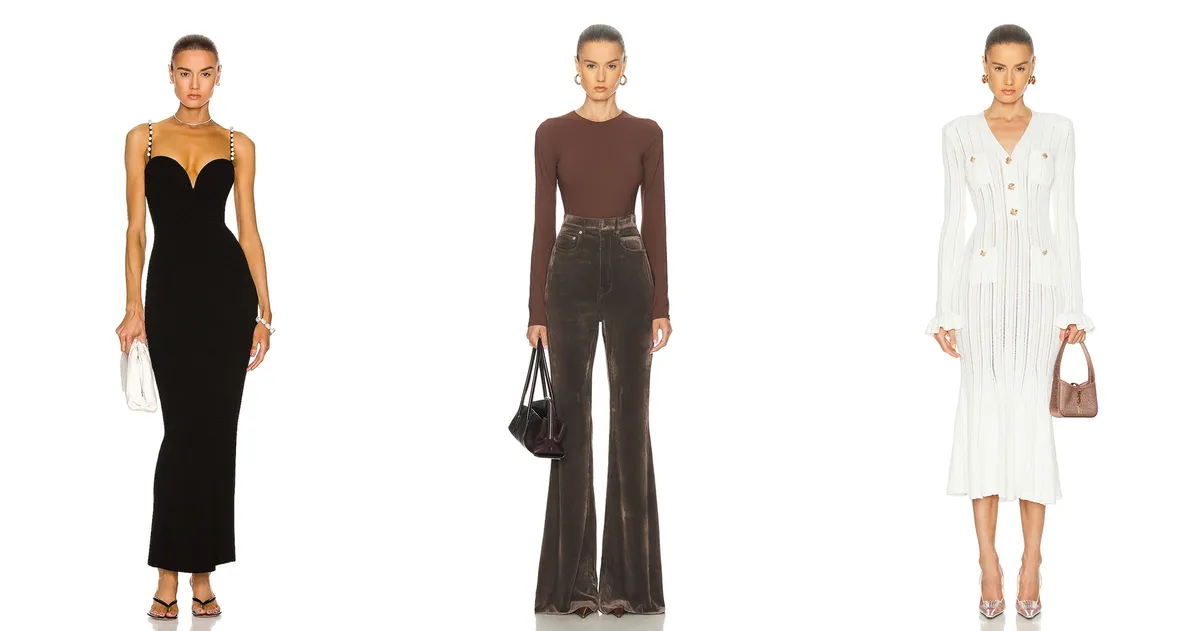
It's worth noting that even within this shape there are variations: waist height, posture, and the degree to which the hips or bust are pronounced can all differ. Think of the hourglass as a helpful reference point rather than a rigid formula.
Recommended:
▶ Highlight the waist through cut, belts, or the fit of the garment;
▶ Choose fitted or semi-fitted silhouettes;
▶ Opt for soft lines that follow the body's natural curves;
▶ Look for bodycon dresses, wrap styles, and tailored jackets;
▶ Choose medium-weight fabrics that hold their shape without adding bulk.
Not recommended:
▶ Overloading the top or bottom with excessive volume; ▶ shifting the waistline significantly above or below its natural position without a clear styling intention.
Footwear for the hourglass shape can vary widely, though styles that emphasise the elegance of the leg line tend to enhance the overall harmony of the silhouette.
The Triangle Body Shape
The triangle shape (also known as the "pear") is characterised by a dominant lower body: the hips are visually wider than the shoulders, volume is concentrated around the bottom and hips, and the upper body looks lighter. The bust is moderate to small, with no strong contrast.
For the triangle shape, the aim is to redistribute visual attention upwards in order to balance the proportions.
Key characteristics:
• narrow to medium shoulders and a smaller bust; • more pronounced volume in the hips and bottom; • the waist may be defined or moderate.
Recommended:
▶ Draw the eye above the waistline;
▶ Use eye-catching details around the shoulders and bust;
▶ Choose necklines that visually widen the shoulders (a wide V-neck or a boat neck);
▶ Try voluminous sleeves and structural elements that add presence to the upper body;
▶ Opt for tops with horizontal lines or bolder colour choices.
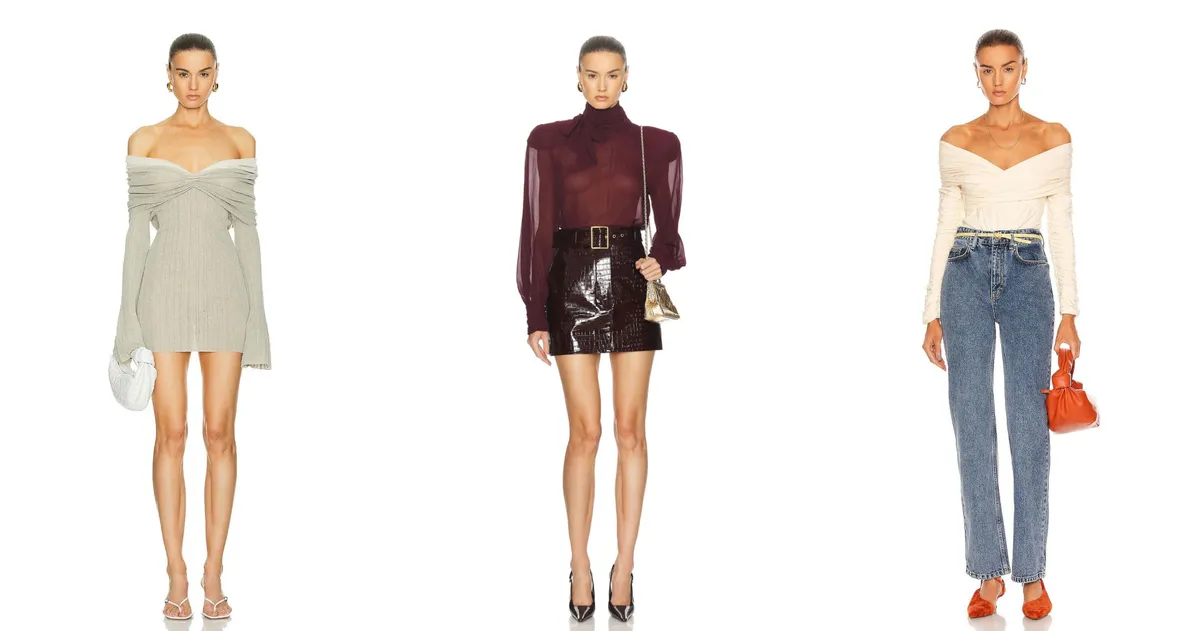
For the lower body, prefer:
▶ A-line skirts;
▶ Straight or gently tapered styles in heavier fabrics;
▶ High-waisted trousers and jeans;
▶ Darker, more understated colours.
Not recommended:
▶ Ending a top at the widest point of the hips;
▶ Overloading the lower body with embellishment or contrasting elements;
▶ Adding excess volume around the hips.
Shoes with a sturdy heel and an elongated toe further help to visually lengthen the silhouette.
The Inverted Triangle Body Shape
The inverted triangle is essentially the mirror image of the triangle shape. The shoulder line is noticeably wider than the hips, the upper body dominates visually, and the lower body appears lighter and less voluminous.
This shape typically comes with a fuller bust. When the bust is more moderate, it is often referred to as the "athletic" subtype. The defining feature of the inverted triangle remains the same regardless: shoulders that are clearly wider than the hips.
Key characteristics:
• prominent or broad shoulders;
• narrow or less voluminous hips and bottom;
• the waist may be defined or moderate;
• visual weight is concentrated in the upper body.
Styling for the inverted triangle works on principles opposite to those of the triangle shape. The main goal is to shift visual weight downwards and soften the shoulder line.
Recommended:
▶ Minimise volume and emphasis around the shoulders;
▶ Choose necklines that visually narrow the upper body (a moderately deep V-neck or a round neck);
▶ Opt for simple, understated tops without heavy embellishment;
▶ Use bolder colours, textures, or prints on the bottom half; ▶ Try A-line, flared, or pleated skirts;
▶ Choose trousers that are wider at the hem, or styles that add volume around the hips.
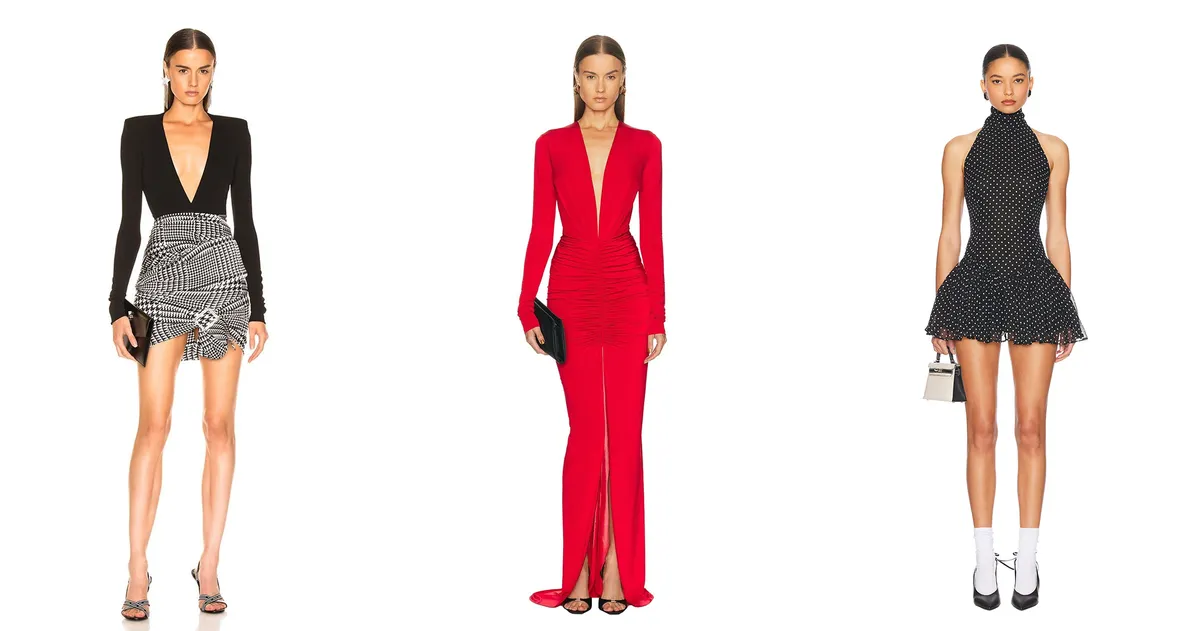
Not recommended:
▶ Prominent shoulder details such as shoulder pads or oversized sleeves;
▶ Horizontal lines across the shoulders or upper body;
▶ Boat necklines and similar cuts that visually widen the shoulders;
▶ Concentrating contrasting or accent elements in the upper body.
Adding visual weight to the lower half through colour, texture, and construction helps to even out the proportions and create a more balanced silhouette.
▶ It's best to avoid overly minimal, visually light footwear, as well as very thin stilettos with pointed toes — these styles can accentuate the imbalance between the upper and lower body.
The Rectangle Body Shape
Unlike the triangle and inverted triangle shapes, the rectangle is characterised by roughly equal shoulder and hip width with a less defined waist. The bust and hips have moderate volume, with no strongly pronounced curves.
The overall silhouette appears straighter and less contoured. It's precisely this lack of contrast between the waist and the rest of the body that gives this shape its characteristic geometry.
Key characteristics:
• shoulder width roughly equals hip width;
• minimal difference between the bust, waist, and hip measurements;
• visually straight lines throughout the silhouette;
• a long or compact torso with no strongly pronounced curves.
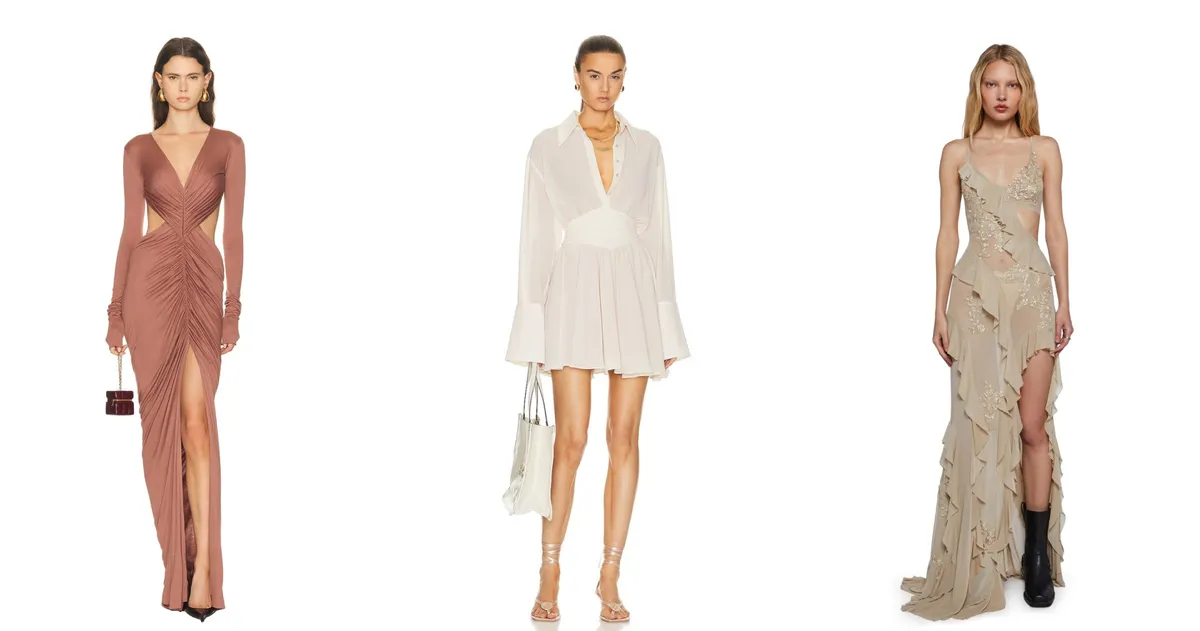
For the rectangle shape, the goal is to create a more defined silhouette by emphasising the waist or giving the impression of curves.
Recommended:
▶ Use techniques that visually define the waist — belts, wrap styles, and fitted cuts;
▶ Create contrast between the top and bottom to break up the silhouette unevenly (the 1/3 to 2/3 principle);
▶ Choose styles with structural lines that create shape — darts and panel seams work well;
▶ Try wrap dresses, peplum tops, and draped fabric at the waist;
▶ Use diagonal lines to add dynamism and the illusion of shape.
Not recommended:
▶ Overly tight silhouettes with no waist definition;
▶ Excessive geometric severity in the overall look;
▶ Splitting the outfit into equal halves, which reinforces a static, uniform appearance.
For the rectangle shape, footwear that adds a sense of movement works well: styles with flowing lines, a block heel, straps, rounded shapes, or decorative details. These help soften the straightness of the silhouette and make the overall look more expressive.
It's best to avoid shoes that are too heavy, chunky, or geometrically rigid, as these can reinforce the impression of a straight, static silhouette.
That said, it's worth remembering that in styling — and especially in fashion photography — the classic principles of visual correction are often deliberately broken.
Depending on the project's creative direction, a stylist may intentionally highlight the body's features and play up the character of a silhouette rather than correct it.
For example, shoes with a pronounced square toe or a bold geometric shape can be a conscious choice to amplify the graphic, linear quality of the look.
The Apple Body Shape
The apple shape is characterised by a concentration of volume in the centre of the body. Visual attention falls on the waist and stomach area, while the shoulders and hips may be relatively narrow or moderate in width.
The figure reads as a unified whole, but the balance of proportions is weighted towards the middle.
Key characteristics:
• volume concentrated in the middle of the silhouette;
• the waistline is softened or not clearly defined;
• shoulders and hips may be roughly equal in width, or slightly narrower than the central zone;
• the silhouette has a soft, rounded quality with no strong contrasts between the upper and lower body.
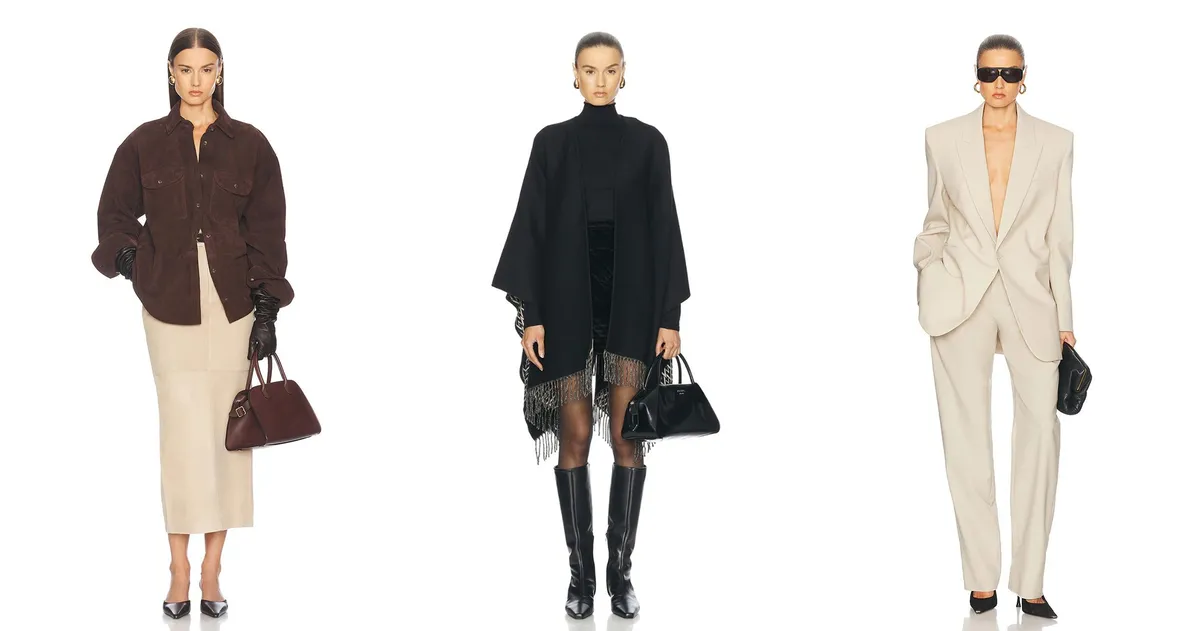
The main styling goal for the apple shape is to redirect visual attention, create a lengthened vertical line, and bring structure to the silhouette.
Recommended:
▶ Use vertical lines and elongated silhouettes;
▶ Choose semi-fitted styles that skim rather than cling;
▶ Try wrap dresses and soft draping that creates a vertical or diagonal direction;
▶ Favour tonal or closely matched colour combinations;
▶ Wear longline jackets and cardigans that create an elongated outline;
▶ Choose medium-weight fabrics that hold their shape without adding unnecessary bulk.
Not recommended:
▶ Placing large embellishments or contrasting elements at the centre of the body;
▶ Prominent horizontal lines at the waist or stomach;
▶ Overly tight styles or, conversely, shapeless, baggy ones;
▶ Breaking up the silhouette with contrasting colour blocks at the widest point.
Working thoughtfully with vertical and diagonal lines, hem lengths, and the placement of focal points allows you to redistribute attention and build a more balanced, structured silhouette.
Shoes in a similar tone to your trousers or tights help create a more cohesive vertical line and visually lengthen the legs.
It's best to avoid overly heavy or bulky footwear, large contrasting details around the foot, and styles that visually shorten the legs or fragment the silhouette.
Discover your body shape using the button below
Read next
Body Shape Analysis
Visual Correction Through Colour
We explore how colour affects the visual perception of the figure, its impact on volume and proporti…
Body Shape Analysis
Principles of Visual Figure Correction
Let's explore the core principles of visual figure correction and the tools used to create a harmoni…
Palette
Черный цвет в одежде
Рассмотрим восприятие черного цвета в одежде и его влияние на внешность.